


Planning a children's birthday party can feel overwhelming with all the decisions about venue, activities, food, and entertainment. Trampoline parks have become increasingly popular party destinations because they combine physical activity with built-in entertainment, taking much of the planning stress off your shoulders.
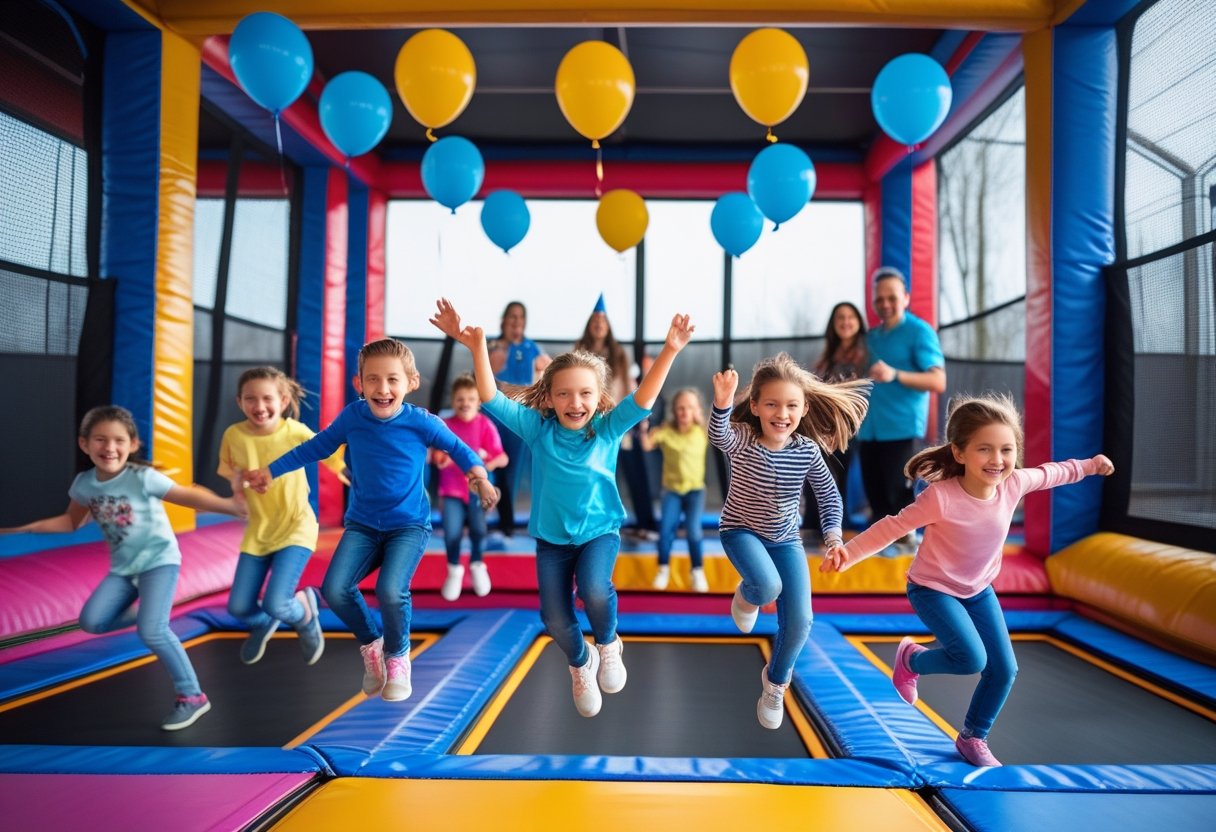
Trampoline parks offer complete party packages that include jumping time, private party spaces, and often food options, making them an efficient choice for busy parents who want to create a memorable celebration. These venues work well for various age groups, from toddlers who can enjoy dedicated soft play areas to teens who thrive on ninja courses and dodgeball competitions.
This guide walks you through every step of hosting your child's birthday party at a trampoline park, from selecting the right venue and booking your package to coordinating invitations, managing safety, and ensuring everyone has an enjoyable experience. You'll learn practical strategies for customizing your party, organizing activities, and handling logistics so the celebration runs smoothly.
Why Choose a Trampoline Park for a Birthday Party

Trampoline parks offer active entertainment, built-in safety features, and convenience that traditional party venues struggle to match. They eliminate the stress of home party planning while providing professional supervision and activities that keep children engaged throughout the celebration.
Benefits of Trampoline Parks
Trampoline parks handle most party logistics for you. The venue provides a dedicated party room, jump time, and staff supervision, which means you won't need to manage entertainment or worry about cleaning up afterward.
Most facilities offer party packages that include invitations, food options, and decorations. This bundled approach saves you time shopping for supplies and coordinating multiple vendors. You simply select a package, confirm the guest count, and show up on party day.
The all-inclusive pricing model helps you budget accurately. You'll know the total cost upfront rather than dealing with unexpected expenses that often arise with home parties or outdoor venues.
Physical activity keeps children entertained naturally. Kids burn energy through jumping, climbing, and playing games rather than getting restless or bored. This active engagement reduces behavioral issues and keeps the party atmosphere positive.
Parents appreciate having a dedicated space where children can move freely without damaging furniture or personal belongings.
Fun for Different Age Groups
Trampoline parks work best for children ages 6-12, though many facilities accommodate younger and older participants. Most venues create separate jump zones based on age and skill level to ensure everyone enjoys appropriate activities.
Younger children (ages 3-5) typically access foam pits, basic bounce areas, and gentle obstacle courses. These zones feature shorter walls and softer landing surfaces.
Elementary-age kids (ages 6-10) enjoy dodgeball courts, basketball slam dunk zones, and ninja warrior courses. These attractions challenge coordination and provide competitive activities for energetic participants.
Tweens and teens (ages 11-14) gravitate toward advanced features like battle beams, climbing walls, and aerial challenges. The variety ensures that mixed-age groups at sibling parties stay engaged.
Most facilities allow you to book private or semi-private sessions to control which age groups interact during your party.
Safe Environment Highlights
Professional trampoline parks enforce strict safety protocols. Staff members monitor jump zones continuously and intervene when participants engage in risky behavior or break facility rules.
Required safety orientations brief party guests on proper jumping techniques, zone boundaries, and prohibited activities before jump time begins. This standardized briefing ensures all children understand expectations regardless of previous trampoline experience.
Facilities provide grip socks that reduce slipping and require participants to remove jewelry, sharp objects, and hard accessories. These requirements minimize injury risks during active play.
Trained staff receive certification in emergency response and first aid. They position themselves throughout the facility to maintain quick response times if incidents occur.
Modern trampoline parks use commercial-grade equipment with safety padding, reinforced frames, and regular maintenance inspections. The professional setup significantly reduces hazards compared to backyard trampolines or DIY party setups.
Planning the Perfect Trampoline Park Party
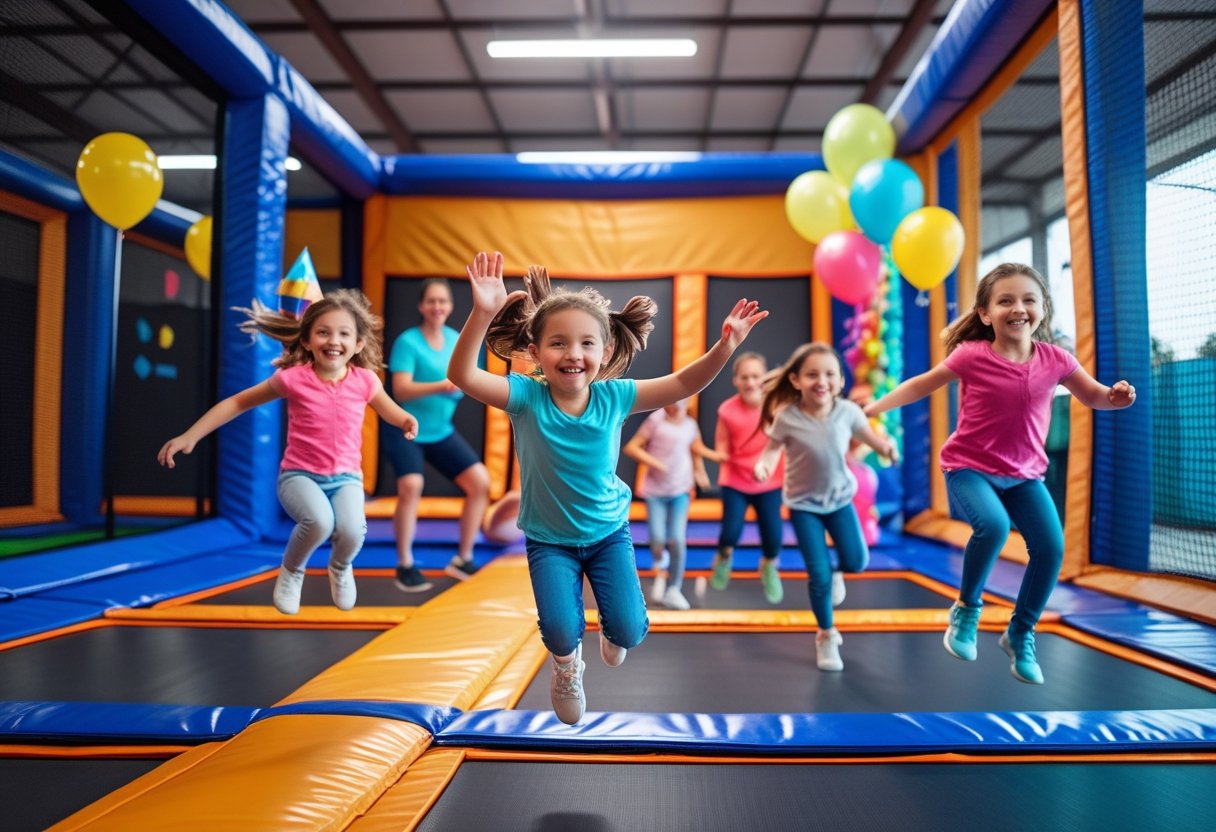
Success at a trampoline park party starts with advance planning across four key areas: timing, guest management, budget allocation, and understanding what's included in your booking.
Setting the Date and Time
Book your party at least three to four weeks in advance. Popular trampoline parks fill up quickly on weekends, especially during peak birthday season from September through May.
Weekend mornings between 10 AM and noon work well for younger children ages 4-8. These time slots give kids energy to jump while avoiding conflicts with nap schedules. Afternoon slots from 1 PM to 3 PM suit older children ages 9-13 who sleep later on weekends.
Consider scheduling your party during off-peak hours on weekday evenings or Sunday mornings. Many parks offer discounted rates during these times, and you'll enjoy a less crowded facility. Check if the park has open jump sessions that might overlap with your party time, as this affects how many other guests will be present.
Guest List Considerations
Most trampoline parks accommodate parties of 10-20 children in standard packages. Count only the jumping participants when determining your guest list size, as parks typically allow 2-3 adults per party to supervise at no extra charge.
Match your guest list to your child's age and social comfort level. Younger children ages 4-6 do better with smaller groups of 8-10 friends, while older kids can handle larger gatherings of 15-20 guests.
Send invitations two to three weeks before the party date. Include these essential details:
- Date, time, and park location
- Party duration (typically 90-120 minutes)
- Whether food is provided
- Waiver requirements (most parks need signed waivers from parents)
- Special grip socks if required by the venue
Budgeting for the Event
Trampoline park parties typically cost between $250-600 depending on guest count and package level. Standard packages average $20-30 per child and include jump time, a party room, and basic food options.
Your main expenses break down as follows:
| Cost Category | Typical Range |
|---|---|
| Base party package | $200-400 |
| Additional guests | $15-30 each |
| Upgraded food options | $50-100 |
| Party favors | $30-75 |
| Decorations | $20-50 |
| Birthday cake (if not included) | $25-60 |
Many parks require a deposit of $50-100 when booking, with the balance due on the party date. Ask about fees for extra jump time, as most packages include 60-90 minutes but kids often want longer sessions.
Understanding Party Packages
Basic packages include jump time, a reserved party room for 30 minutes, paper products, and simple food like pizza and drinks. Mid-tier packages add items such as more food choices, extended room time, or jump socks for guests.
Premium packages offer perks like priority jumping in special areas, upgraded meals with more variety, longer party room access, and sometimes a dedicated party host. Review what each tier includes before deciding, as the base package often provides everything you need.
Most parks let you bring your own cake and decorations but prohibit outside food that competes with their menu. Confirm policies on balloons, as some facilities don't allow latex balloons near trampolines for safety reasons. Party packages usually don't include grip socks, which cost $2-4 per pair if guests need to purchase them separately.
Booking the Venue and Customizing Your Experience
Securing your trampoline park reservation early and understanding available customization options will help you create a birthday celebration tailored to your child's preferences and your budget.
Reservation Tips
Book your party at least 3-4 weeks in advance, especially if you're planning for a weekend or during peak seasons like summer or school holidays. Most trampoline parks experience heavy traffic on Saturday afternoons, so consider Friday evenings or Sunday mornings for better availability and sometimes lower rates.
When you contact the venue, ask specific questions about what's included in the base package. You'll want to know the exact number of guests covered, jump time duration, whether socks are provided, and if you have exclusive access to a party room. Request details about setup and cleanup times, as some venues allow 30 minutes before and after your scheduled slot.
Confirm the deposit amount and cancellation policy in writing. Many trampoline parks require a 25-50% deposit to hold your date, with full payment due several days before the event. Understanding refund terms protects you if plans change unexpectedly.
Add-On Activities
Beyond basic jump time, trampoline parks typically offer several enhancement options to expand your party experience. Popular add-ons include arcade game credits, which usually cost $5-15 per child for a set number of tokens or play time.
Consider these common upgrades:
- Extended jump time (additional 30-60 minutes)
- Dodgeball court reservations for organized group games
- Foam pit access or specialized zones like ninja warrior courses
- Virtual reality experiences at parks with VR stations
- Party host services for coordinating activities and managing kids
Some venues bundle add-ons into premium packages that offer better value than purchasing items individually. Calculate the per-child cost difference between package tiers before deciding.
Themed Party Options
Many trampoline parks provide theme packages that include coordinated decorations, plates, napkins, and sometimes special activities. Common themes include superheroes, sports, glow-in-the-dark, or popular characters your child loves.
Ask if you can bring your own decorations to supplement or replace standard offerings. Some venues restrict items like confetti, balloons, or banners for safety reasons. Glow parties are particularly popular at trampoline parks since many facilities have black lights already installed and can dim regular lighting.
The venue may offer themed jump challenges or competitions matching your selected theme. A superhero party might include an obstacle course challenge, while a sports theme could feature basketball dunk contests on the trampoline courts.
Party Invitations and Communication
Invitations for a trampoline park party need to communicate specific safety and logistical details while building excitement for an active celebration. Clear communication prevents confusion and ensures parents have all necessary information to prepare their children for the event.
Creating Exciting Invitations
Your trampoline park invitation should immediately convey the energetic nature of the party. Include bright colors and action-oriented graphics that reflect jumping, flipping, or movement to match the venue's atmosphere.
Essential elements for your invitation:
- Birthday child's name and age
- Date and time (including arrival and pickup times)
- Trampoline park name and full address
- RSVP deadline with contact method
- Special instructions (grip socks required, waiver forms needed)
Many trampoline parks provide digital invitation templates through their booking portals. These pre-designed options often include the venue's branding and automatically populate key details from your reservation.
You can send invitations digitally through email or text message, which makes tracking RSVPs simpler. Physical invitations work well if you're distributing them at school or prefer a tangible keepsake. Send invitations 3-4 weeks before the party date to give families adequate planning time.
Sharing Essential Party Details
Parents need specific information about trampoline park parties that differs from traditional venues. Include whether grip socks are provided or must be purchased separately at the facility. Specify if guests should arrive early to complete required waiver forms.
Communicate your party package inclusions clearly. List whether food, drinks, and jump time are covered in your booking or if guests need to bring additional money. If you've arranged for a private jump area or specific time slot, mention these details so parents understand the schedule.
Provide clothing recommendations in your invitation or follow-up message. Athletic wear and fitted clothing work best for jumping, while loose items and jewelry should stay home for safety reasons. Let parents know if there are spaces for non-jumping siblings or if the party is exclusively for invited guests.
Share the trampoline park's contact information so parents can call with questions about safety policies or accessibility accommodations. Include your own contact details for party-specific questions about food allergies, gift preferences, or transportation arrangements.
Decorations and Setup Tips
Most trampoline parks provide designated party rooms and allow you to bring themed decorations that complement their existing setup. The key is selecting a cohesive theme and strategically decorating your assigned space to create a festive atmosphere without interfering with the park's operations.
Choosing a Party Theme
Select a theme that matches your child's interests and works well within a trampoline park environment. Popular options include sports themes, superhero parties, neon glow parties, or color-based themes that complement the park's energetic atmosphere.
Consider themes that incorporate movement and action since these naturally align with the trampoline experience. A ninja warrior theme, space adventure, or rainbow party can tie jumping activities into the overall celebration seamlessly.
Coordinate your theme with the cake, party favors, and any games you plan to organize. This consistency creates a more memorable experience for your child and guests. Check with your trampoline park about theme restrictions before finalizing your choice, as some venues have specific guidelines about decorations.
Decorating Party Rooms
Most trampoline parks offer private party rooms with tables and chairs already set up. Focus your decorating efforts on table coverings, centerpieces, banners, and balloon arrangements that won't interfere with safety or operations.
Bring themed tablecloths, plates, cups, and napkins to transform basic tables into party-ready spaces. Add a simple centerpiece at each table using themed decorations or balloon weights that won't tip over easily.
Wall decorations work well in party rooms since they don't create tripping hazards. Hang a birthday banner, attach themed posters, or create a balloon garland along one wall. Avoid helium balloons that might float into jumping areas.
Keep decorations contained to your assigned party room rather than the jumping zones. The trampoline areas already provide visual excitement, and loose decorations could create safety hazards for jumpers.
Food and Cake Arrangements
Most trampoline parks offer catering packages that simplify party planning, though many venues also allow you to bring outside food. The right food choices keep kids energized without weighing them down between jumping sessions.
Trampoline Park Catering Options
Trampoline parks typically offer pizza, soft drinks, and cake as standard party packages. These packages range from basic options with cheese pizza and water to premium selections that include chicken tenders, french fries, and unlimited beverages.
You can usually customize your order based on dietary restrictions or preferences. Many facilities provide gluten-free pizza crusts, vegetarian options, and dairy-free alternatives upon request. Booking your catering at least one week in advance ensures the kitchen can accommodate special dietary needs.
The venue handles setup, serving, and cleanup when you choose their catering services. This arrangement lets you focus on supervising the jumping activities rather than managing food logistics. Most parks include paper plates, cups, napkins, and utensils in their catering packages.
Bringing Your Own Food
Check your trampoline park's outside food policy before planning your menu. Some venues allow homemade food but prohibit items from restaurants or catering companies. Others charge a cake-cutting fee or limit outside food to birthday cakes only.
Finger foods work best for trampoline park parties since kids eat quickly between activities. Mini sandwiches, veggie cups with individual dip containers, and fruit skewers travel well and create minimal mess. Keep hot foods in insulated containers and cold items in coolers with ice packs.
Bring serving utensils, cutting knives for cake, trash bags, and wet wipes for cleanup. Label containers with your name so they don't get mixed up with other parties happening simultaneously.
Fun and Healthy Snack Ideas
Balance treats with nutritious options that provide sustained energy for jumping. Popcorn, pretzels, and crackers satisfy salty cravings without the heaviness of fried foods. Pair them with cheese cubes or hummus for added protein.
Fruit options like watermelon slices, grapes, and apple wedges with peanut butter keep kids hydrated and energized. These choices are naturally sweet and appeal to most children without excessive sugar crashes.
For drinks, water bottles with custom labels add a personal touch while keeping kids hydrated. Avoid carbonated beverages right before jumping to prevent stomach discomfort. Juice boxes or fruit-infused water provide flavor variety without the fizz.
Fun Activities and Entertainment
Trampoline parks offer built-in entertainment through their equipment, but structured activities and organized games transform open jump time into a memorable party experience. The right mix of competitive challenges, group games, and interactive options keeps energy levels high and ensures every guest stays engaged throughout the celebration.
Trampoline Games and Challenges
Dodgeball tournaments rank among the most popular trampoline park activities, combining the classic game with the added challenge of bouncing surfaces. Most facilities have dedicated dodgeball courts with padded barriers and provide foam balls designed for safe play.
Slam dunk contests let kids of all athletic abilities experience the thrill of dunking a basketball. The trampoline-assisted jumping creates an equalizer where technique matters more than height. You can organize these as timed challenges or head-to-head competitions.
Popular competitive activities include:
- Foam pit diving contests with judges scoring creativity
- Obstacle course time trials through connected trampoline sections
- Jousting matches on balance beams with padded poles
- Precision landing challenges on target zones
Many parks offer digital scoring systems that track jumps, flips, and airtime. These automated features add a competitive edge and give kids concrete goals to achieve.
Organized Group Activities
Group activities work best when you divide guests into teams of 4-6 kids. Trampoline relay races challenge teams to complete tasks like front flips, wall runs, or foam pit crosses before tagging the next person.
Scavenger hunts adapted for trampoline parks involve completing specific jumping challenges at different stations. You create a checklist of skills like "bounce 20 times on one foot" or "land a seat drop into the foam pit."
Team-based games to consider:
- Sharks and Minnows: One tagger tries to catch bouncers crossing between safe zones
- Follow the Leader: Teams mirror increasingly difficult jumping sequences
- Trampoline Tag: Modified tag games that use the entire park layout
Group activities require adult supervision to manage rotation schedules and ensure fair play. Most party packages include a dedicated host who coordinates these activities and keeps the schedule moving smoothly.
Interactive Entertainment Options
Many trampoline parks feature augmented reality games projected onto wall trampolines. These interactive displays track body movements and turn jumping into video game experiences where kids dodge virtual obstacles or hit targets.
Battle beam competitions pit two participants against each other on a narrow beam suspended over foam pits. Players use padded jousting poles to knock opponents off balance. This activity generates the most spectator excitement and works well as a tournament-style event.
Climbing walls attached to trampoline courts let kids use bouncing momentum to reach higher holds. The combination of climbing and jumping appeals to kids who want a break from pure bouncing activities.
Younger guests often enjoy the ninja warrior courses that combine slack lines, rope swings, and climbing elements. These courses provide variety and challenge different skill sets beyond jumping ability.
Safety Guidelines and Supervision
Trampoline parks require specific safety protocols to prevent injuries during birthday celebrations. Understanding park rules and maintaining proper supervision ensures all children can jump safely while having fun.
Park Rules and Safety Briefings
Most trampoline parks require all participants to attend a mandatory safety briefing before jumping begins. These briefings cover essential rules like no flipping without proper training, one jumper per trampoline section, and jumping in the same direction on runway areas.
Your party guests must wear grip socks with rubber treads on the bottom. Regular socks create slip hazards, and bare feet don't provide adequate traction. Most venues sell these socks on-site if guests forget to bring them.
Common trampoline park rules include:
- Remove all jewelry, sharp objects, and items from pockets
- No food, drinks, or gum while jumping
- Jump within your skill level and physical capabilities
- Follow staff instructions immediately
- Stay in age-appropriate zones
Many parks enforce wristband systems that indicate which areas each child can access based on age, height, or skill level. Respect these restrictions as they exist to match activities with appropriate developmental stages.
Supervising Children Effectively
You need at least one adult supervisor for every five children at a trampoline park party. Position yourself where you can view multiple activity areas simultaneously, typically near central courts or walkways.
Watch for signs of fatigue in children, as tired jumpers have slower reaction times and higher injury risks. Schedule 10-15 minute rest breaks every 30-40 minutes of jumping. During breaks, children should hydrate and sit in designated rest areas.
Stay alert for roughhousing or rule violations. Children often get overstimulated in exciting environments and may forget safety guidelines. Redirect inappropriate behavior immediately rather than waiting for staff intervention.
Keep younger siblings in toddler zones with dedicated soft play features. Don't allow mixed-age jumping in the same sections, as size and strength differences increase collision risks.
Party Favors and Thank Yous
Sending guests home with memorable party favors and expressing gratitude after a trampoline park birthday helps reinforce the fun experience while showing appreciation for their attendance.
Personalized Party Favors
Trampoline-themed party favors work well because they connect directly to the activity. Consider grip socks with your child's name and party date printed on them, especially since many trampoline parks require these socks anyway. Small water bottles with custom labels featuring the party theme make practical gifts that kids actually use.
You can also create simple favor bags with jump rope toys, bouncy balls, or small athletic wristbands. These items cost between $2-4 per guest and tie into the active nature of the party. Temporary tattoos designed around jumping or trampolining appeal to younger children.
DIY options include decorated treat bags filled with healthy snacks like trail mix or granola bars, which parents appreciate more than candy. If your budget allows $5-7 per favor, small action figures or sports-themed items work for various age groups.
Budget-Friendly Options:
- Grip socks: $3-4 per pair
- Bouncy balls: $1-2 each
- Custom water bottles: $4-6 each
- Jump ropes: $2-3 each
Post-Party Appreciation Ideas
Send thank you messages within one week of the party while the event remains fresh in everyone's mind. Digital thank you cards work well for quick communication, but handwritten notes add a personal touch that many families appreciate.
Have your child participate in creating the thank yous by drawing pictures or signing their name. Include a specific detail about each guest, such as "Thanks for doing flips with me" or "I loved jumping in the foam pit with you." This personalization takes only a few extra minutes but makes the message more meaningful.
Photo thank yous work exceptionally well after trampoline park parties. Select an action shot from the party showing the guest mid-jump or having fun, then add a simple "Thanks for jumping into my birthday" message. Most trampoline parks allow photography, making it easy to capture these moments during the party.
Tips for a Smooth and Memorable Party
A trampoline park party runs best when you plan ahead for timing, documentation, and potential hiccups. These practical strategies help you stay organized while your child and guests enjoy the celebration.
Managing Time and Transitions
Trampoline park parties typically last 90 minutes to 2 hours, with jump time taking up the majority. Most venues allocate 60-90 minutes for open jumping, followed by 30 minutes in a party room for food and cake.
Build in a 10-15 minute buffer at the start for late arrivals and waiver signing. This prevents early guests from feeling restless while maintaining your scheduled jump time. Gather everyone together 5 minutes before transitioning to the party room so staff can escort the group efficiently.
Key time blocks to plan:
- Arrival and check-in: 15 minutes
- Jump time: 60-90 minutes
- Party room: 30 minutes
- Cake and gifts: 20 minutes
Set a timer on your phone to track each segment. This keeps you aware of when to start wrapping up activities. Designate one adult to round up children 5 minutes before each transition, giving them time to finish their current activity and use the restroom.
Capturing Memories with Photos
Assign a specific person to handle photography rather than trying to juggle it yourself. This could be your partner, a grandparent, or a responsible older sibling. Give them clear instructions about what moments matter most to you.
The best action shots happen during the first 20-30 minutes of jump time when energy levels peak. Ask your photographer to capture kids on different attractions like foam pits, dodgeball courts, and the main jump area. Get both wide shots showing the whole group and close-ups of individual kids having fun.
Create a shared photo album through your phone and text the link to other parents. This allows multiple adults to contribute their photos and gives you backup coverage. Some trampoline parks have GoPro cameras or professional photographers available for an additional fee.
Don't forget stationary moments like cake cutting, singing happy birthday, and opening presents. These traditional shots complement the action photography.
Troubleshooting Common Issues
Sock-related problems rank as the most common issue at trampoline parks. Bring 2-3 extra pairs of grip socks in various sizes since kids frequently forget theirs or lose them during jumping. Most parks sell socks at the front desk, but having backups saves time.
Minor injuries like bumped heads or scraped knees happen occasionally. The park staff handles serious incidents, but keep basic supplies in your bag: adhesive bandages, a cold pack, and any medications your child might need. Know where the first aid station is located.
Quick fixes for common situations:
- Child feeling overwhelmed: Direct them to quieter areas like the foam pit or basketball section
- Guest not participating: Don't force it; some kids prefer watching from the sidelines
- Food allergies: Confirm dietary restrictions when parents RSVP and label all food items clearly
- Missing parent at pickup: Have emergency contact numbers accessible
Behavioral issues sometimes arise when kids get overstimulated. Work with park staff to redirect children who aren't following safety rules. They're trained to handle these situations and can remove kids from jump areas if necessary without disrupting the entire party.
Frequently Asked Questions
Planning a trampoline park birthday party involves understanding specific requirements like age limits, package inclusions, safety measures, invitation ideas, personalization options, and food availability that can affect your celebration.
What are the age and height restrictions for children at a trampoline park birthday party?
Most trampoline parks require participants to be at least 3 years old to jump. Some facilities have dedicated toddler areas for children ages 3-5 with lower height equipment.
Height restrictions typically apply to specific attractions rather than general jumping areas. You should contact your chosen trampoline park directly to confirm their specific requirements, as policies vary by location.
Many parks offer wristband systems that separate jumpers by age and size to maintain safety. Your party guests may need to stay within designated zones based on these criteria.
How do you create a trampoline-themed birthday party invitation?
Your invitation should include the trampoline park name, address, date, and time slot. Add important details like the expected duration of the party and any activities included in your package.
Mention that guests need to wear comfortable athletic clothing and bring trampoline socks if not provided. You can incorporate bright colors, jumping figures, or bounce-related graphics to match the theme.
Include RSVP information with a deadline at least one week before the party date. This helps the venue prepare adequate space and resources for your group size.
What is included in a birthday party package at a trampoline park?
Standard packages typically include jump time ranging from 60 to 90 minutes for all guests. Most facilities provide a dedicated party room or area for cake and presents.
You receive party invitations, table setup, and a party host to coordinate activities. Many packages include trampoline socks for each guest, plates, napkins, and utensils.
Pricing generally starts around $200-400 depending on the number of guests and package level. Upgraded packages may add pizza, drinks, arcade credits, or extended jump time.
What safety precautions should be taken for a child's birthday party at a trampoline park?
All guests must wear required trampoline socks with grip bottoms for proper traction. Remove jewelry, sharp objects, and items from pockets before jumping.
You should ensure children follow posted rules like one person per trampoline section and no flips unless in designated areas. Park staff members monitor the floor, but you need to supervise your group and enforce rules.
Review the liability waiver requirements before your party date. Most parks require signed waivers from parents or guardians for each participating child.
How can I personalize my child's birthday experience at a trampoline park?
You can bring your own themed decorations for the party room, including banners, balloons, and tablecloths. Many parks allow you to customize the space while following their decoration guidelines.
Request your child's favorite music during your reserved jump time if the facility offers this option. You can also arrange for special announcements or birthday shout-outs over the park's sound system.
Bring personalized party favors or goody bags that match your theme. Consider adding custom t-shirts for guests or photo props for memorable pictures.
Are there food and beverage options available for birthday parties at trampoline parks?
Most trampoline parks offer pizza as the primary food option in their party packages. You typically choose from cheese, pepperoni, and sometimes specialty varieties.
Beverages usually include soft drinks, juice boxes, or water bottles. Some facilities have expanded menus with chicken tenders, fries, nachos, and other snack items available for an additional cost.
You can usually bring your own cake or cupcakes without extra fees. Check your park's outside food policy, as some locations restrict outside food to cake only while others allow more flexibility.